 Lambton Family Hub
StoriesWarwick TownshipWatford, Warwick Village, Birnam and Wisbeach
The township, in four stories
A farm township on an old road, with more history than its size lets on.
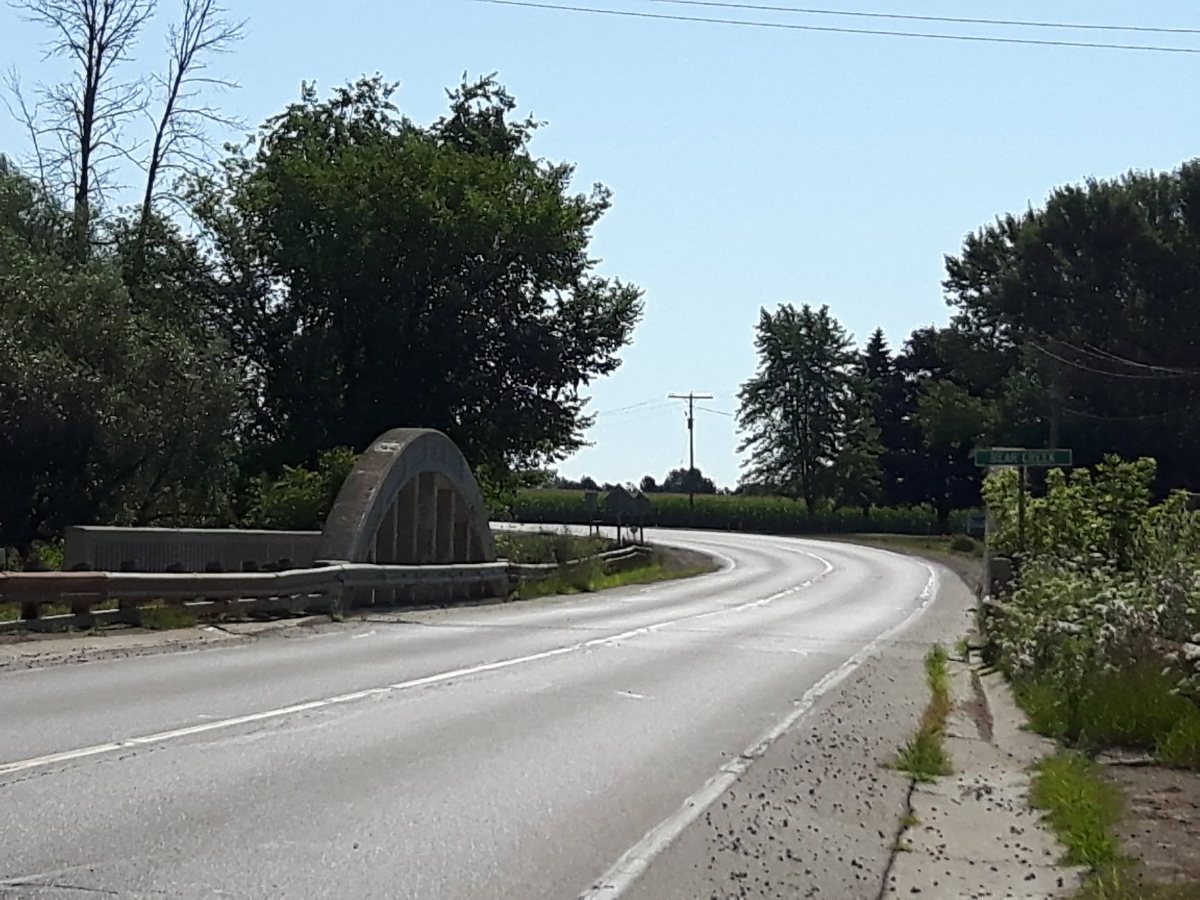
The road came first. Everything else followed it.
About these stories
Warwick is a farm township on an old road. Egremont Road was cut through here in the 1830s to join London to Lake Huron, and the two villages that matter, Warwick Village and Watford, grew up along it in that order, twenty years and one railway apart. They are still two different places. Between them the township holds a Carnegie library that still lends books, a car built by hand in a Watford shed that its maker reportedly would not sell to Henry Ford, and a wetland with a boardwalk through it. Those are the things to tell the children on the way.
A bias to declare: Lambton Family Hub's author grew up here and went to Warwick Central School, whose building now trains truck drivers. Where a story ends at a place you can visit, it ends with what you need to go; the Warwick guide has the rest.
01 / The old road
Egremont Road, and the village the railway made
Egremont Road was surveyed in 1832 to link London with the Lake Huron shore, and the township was settled along it. Some of the first families arrived through the Petworth Emigration Scheme, which helped agricultural labourers and other working-class families from Sussex and nearby counties emigrate to Upper Canada in the 1830s. The scheme was supported by the third Earl of Egremont, the road's namesake, and organized locally through the Petworth Emigration Committee led by Rev. Thomas Sockett; retired British Army soldiers took up land beside the families it settled. The road is still the spine of the township, and the villages strung along it, Wisbeach, Birnam, Warwick Village and Watford, are still where people live.
Warwick Village came first, on Bear Creek. Watford came later: when the Great Western Railway laid its line through the township in the 1850s the station went to Watford, and the arrival of the railway was a major reason Watford grew rapidly and eventually surpassed Warwick Village as the township's main commercial centre. Watford was incorporated as a village of its own in 1873 and stayed separate for well over a century, until the two were put back together as the Township of Warwick in 2001. Warwick Village kept some industry of its own along the way; from 1970 to 2003 MacDermid Pallets turned an old horse barn there into a plant of about 25 workers.
Drive the road today and the sequence still shows. Warwick Village is a crossroads with a ball park and a church. Watford has the main street, the arena, the library and the community complex. Brooke-Alvinston, to the south, is the neighbour it shares a fall fair with, and a road race: the Alvinston to Watford Optimist Road Race has linked the two towns every year since 1958.
Drive Egremont Road from Wisbeach to Watford and you pass the villages in the order they were built.
02 / A steel baron's gift
The library Carnegie paid for
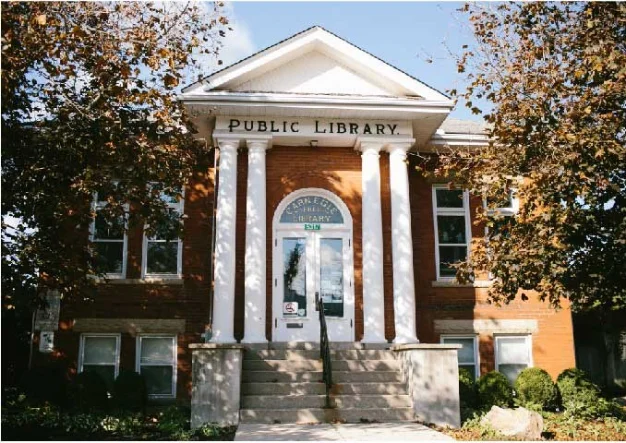
Andrew Carnegie, the Scottish-born steel magnate, gave away most of his fortune, and a great deal of it went to public libraries. Communities receiving a Carnegie library grant were expected to provide a building site and commit ongoing municipal funding to operate the library. Ontario got 111 of them in the early 1900s. Most have since become something else, a museum, offices, a restaurant, or have gone altogether. Watford's has not. It is still the library, on Nauvoo Road, and it is the only Carnegie library in Lambton County still doing the job it was built for.
That is a good story for a child: one of the richest men in the world paid for the building where they pick up their books, more than a century ago, in a village that had been incorporated for barely forty years. It is a Lambton County Library branch now, with the usual children's programs, and it is where a wet afternoon in Watford should start.
03 / Claim to fame
The Max Mobile, and the handshake that never happened
Early in the 1900s a Watford man named David A. Maxwell built a car by hand. There was no factory and no plan to work from; he made the Max Mobile himself, and it is widely recognised as the first handmade automobile in Canada. The story that travels with it, told in Watford for generations, is that Henry Ford offered Maxwell a business partnership and Maxwell turned him down, preferring to keep the invention his own.
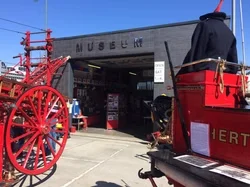
The car is still here. It sits in the Old Firehall Museum in Watford among the township's other keepsakes, and it is the reason to plan a museum visit with a child who likes machines.
04 / The flooded woods
A boardwalk through a wetland that was not drained
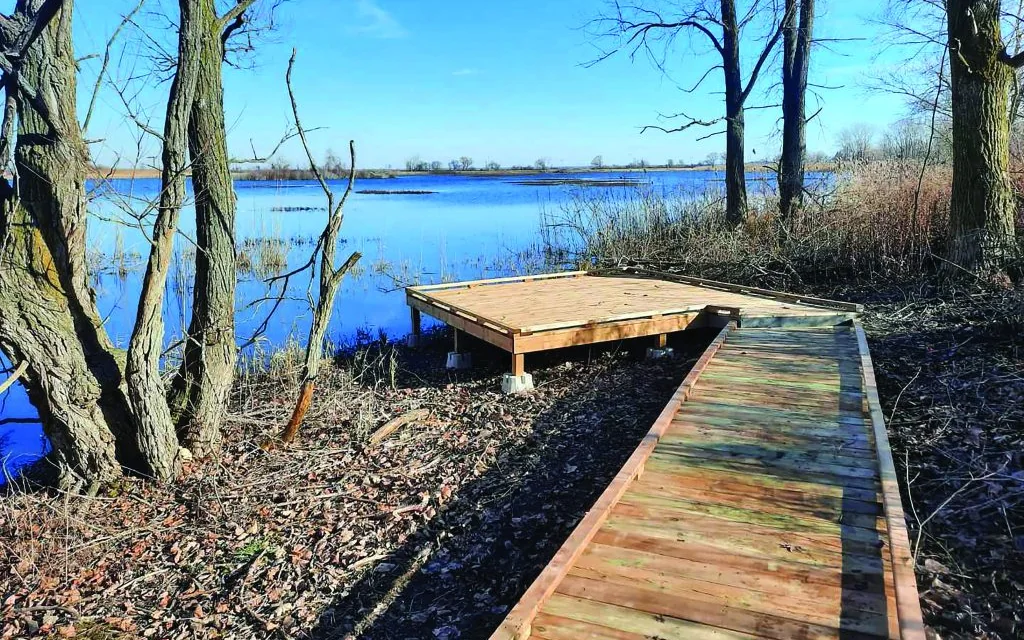
When Egremont Road was cut, much of this corner of Ontario was swamp forest: low ground that flooded every spring and stayed wet into summer. Most of it was ditched, tiled and drained so it could be farmed, which is why the township looks the way it does. The Warwick Conservation Area, on Warwick Village Road, keeps a piece that was not. A wooden boardwalk runs straight into the flooded woods, so a child can stand in the middle of a swamp with dry feet and look down into water that is full of things.
The province calls it a provincially significant wetland, and the reasons are worth telling on the boardwalk. Wet ground like this soaks up storm water and lets it go slowly, so the creeks downstream do not flood as hard. It filters what runs off the fields before it reaches them. And it is where the frogs, turtles, herons and spring warblers live, because everywhere else they used to live is now a field. In April the peepers are loud enough to hear from the car; in July look for turtles on the logs; in October the maples over the water turn at once.
The rest of the property is a lake with campsites around it, a pool in summer and open lawn. It is run by the St. Clair Region Conservation Authority, and it is the township's best reason to make a full day of Warwick rather than an afternoon.
Keep reading
More stories from Lambton.
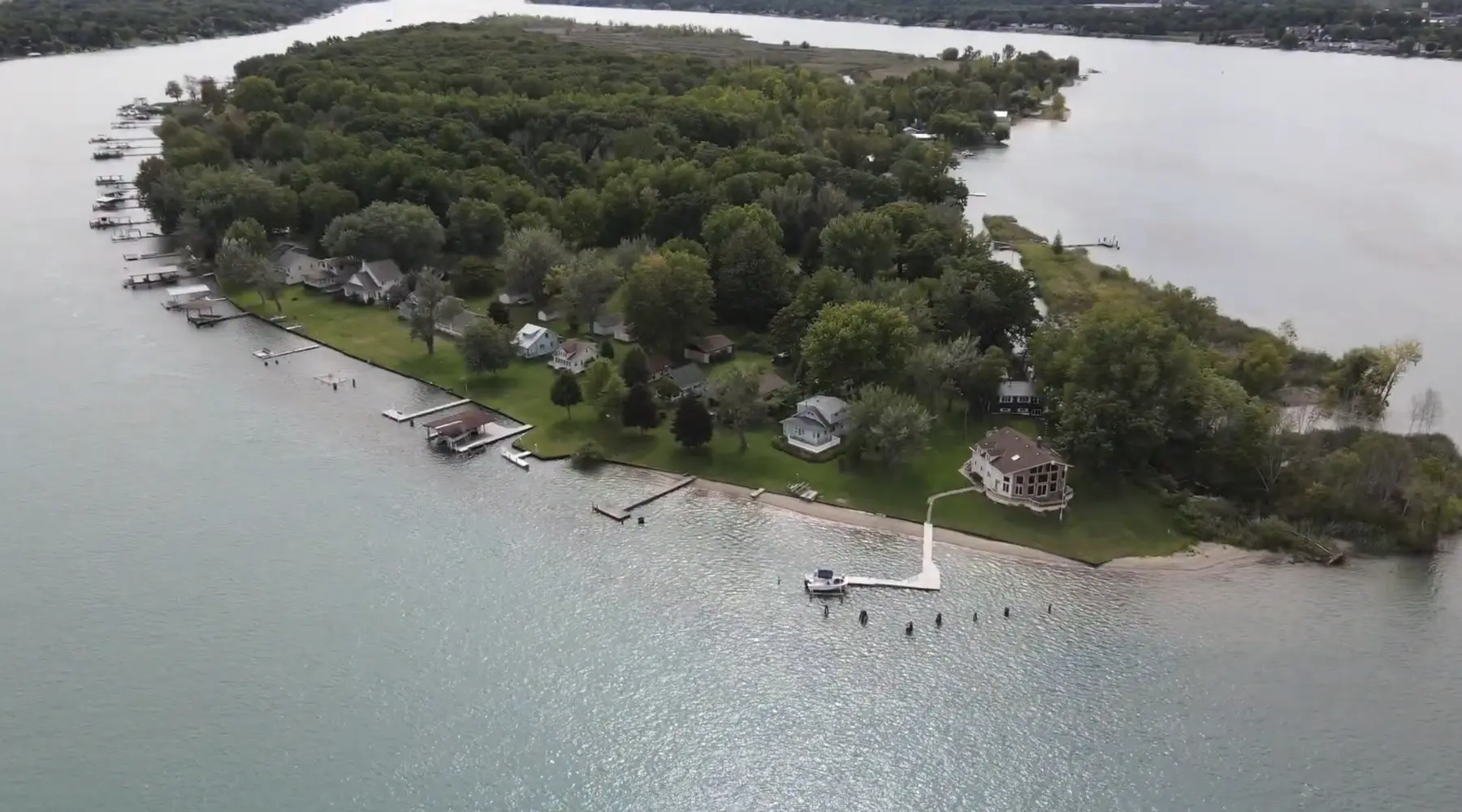
St. Clair River
Stag Island, the forgotten resort
The quiet cottage island near Corunna was once one of the busiest summer destinations around, reached by excursion steamer and filled with hotels and dancing.
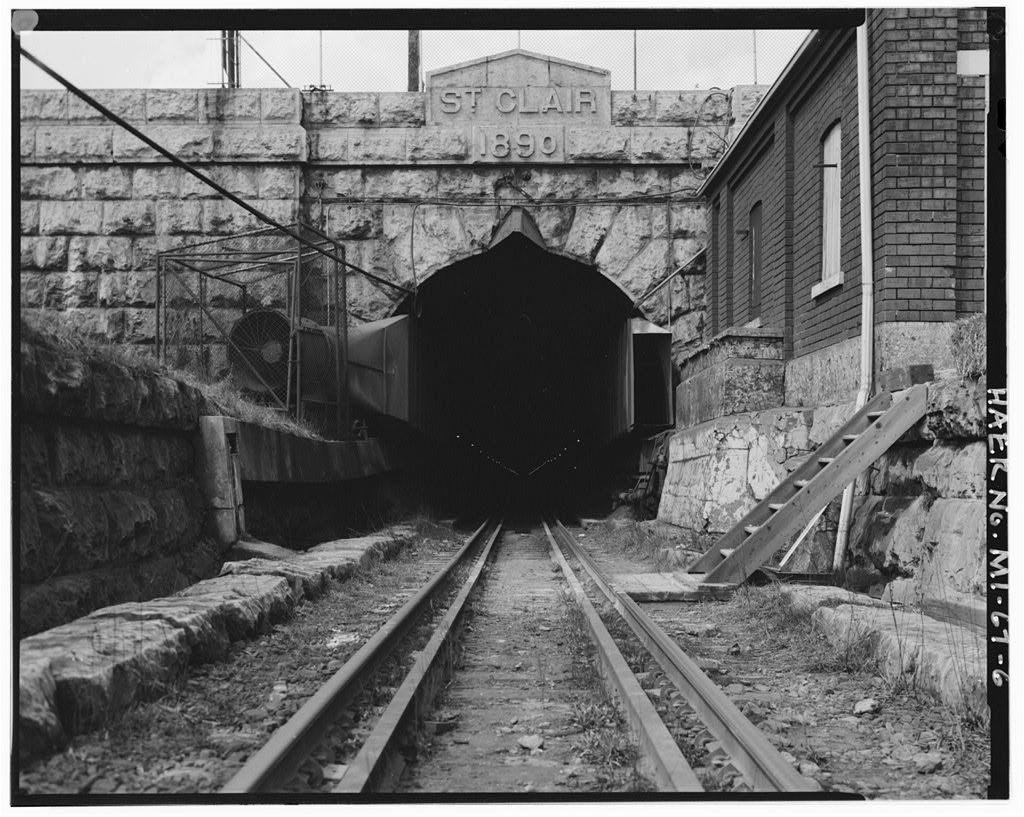
Sarnia
The railway that went under the river
In 1891 the Grand Trunk dug the first international submarine railway tunnel in North America beneath the St. Clair. Then it had to work out how to breathe down there.
Historical notes draw on the Township of Warwick, Lambton County Library and the St. Clair Region Conservation Authority, checked in September 2026. The Ford partnership is told in Watford as a story and is reported here as one. Opening, prices and availability can change, and the links take you to the current details. Suggest a correction.