 Lambton Family Hub
GuidebooksWyoming, Camlachie and the Lake Huron shore
Your family guide to Plympton-Wyoming
A railway town inland and a string of quiet beach parks along Lake Huron, a short drive apart.
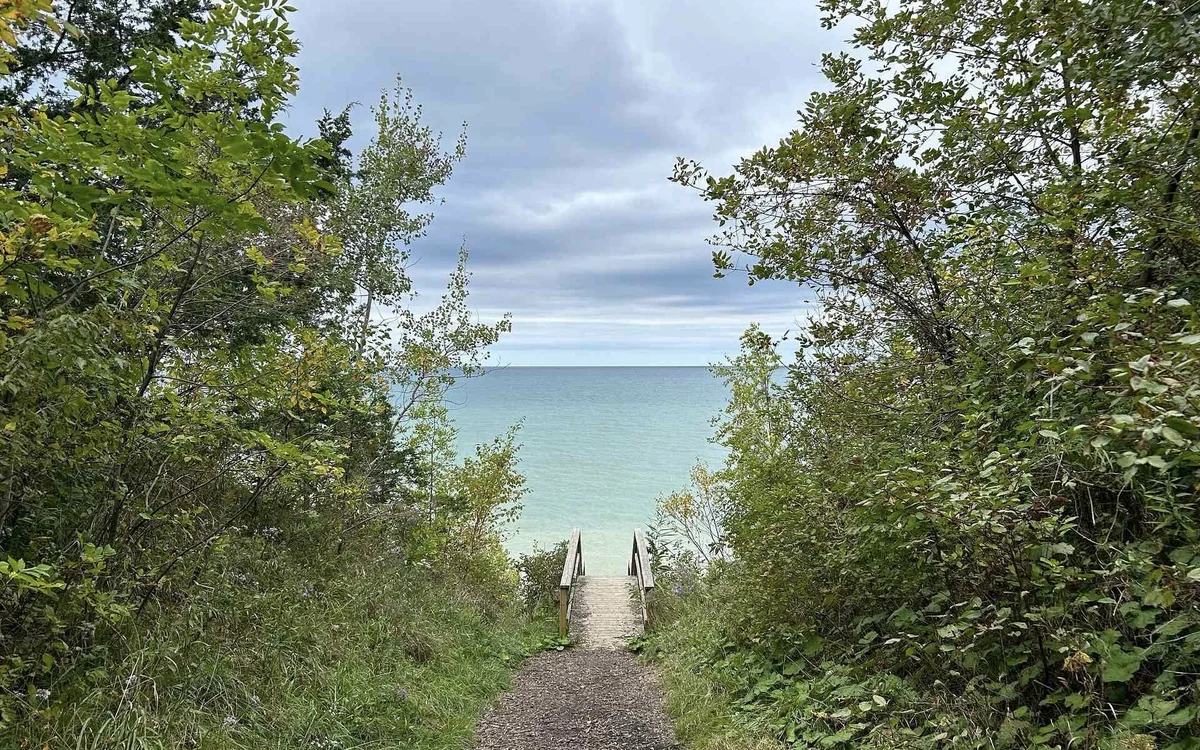
In this guide
Things to do
-
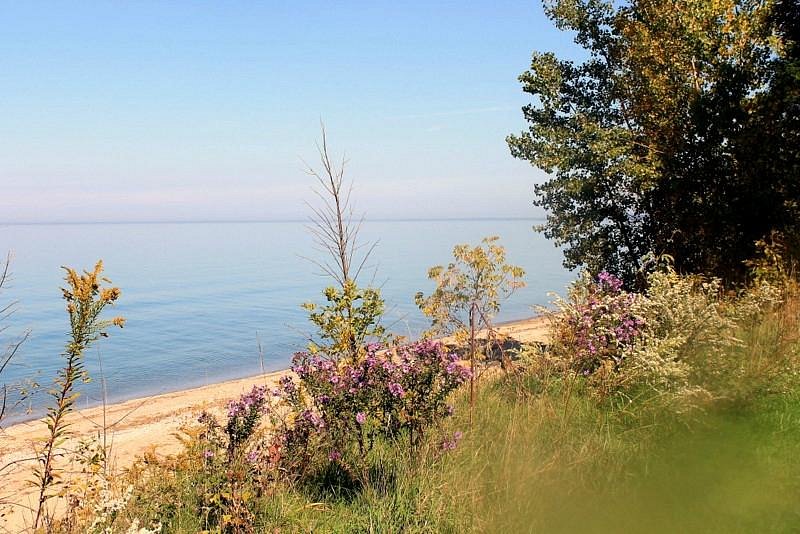
Highland Glen Park
A lakeshore park with a beach below a bluff, a short trail, a picnic pavilion and a boat launch.
-
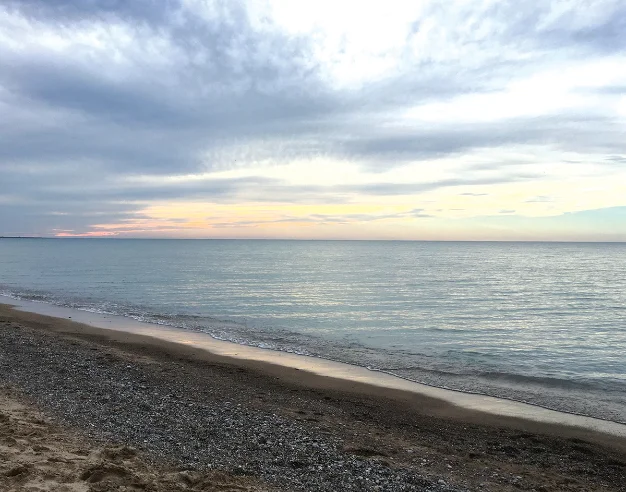
McEwen Park
A quiet beach park on Lakeshore Road, with room to spread out for a picnic and a washroom on site.
-
McKay Park, pool & splash pad
Wyoming's town park: a playground and courts, the start of the trail to Reece's Corners, and the Town's outdoor pool and splash pad beside it in summer.
-
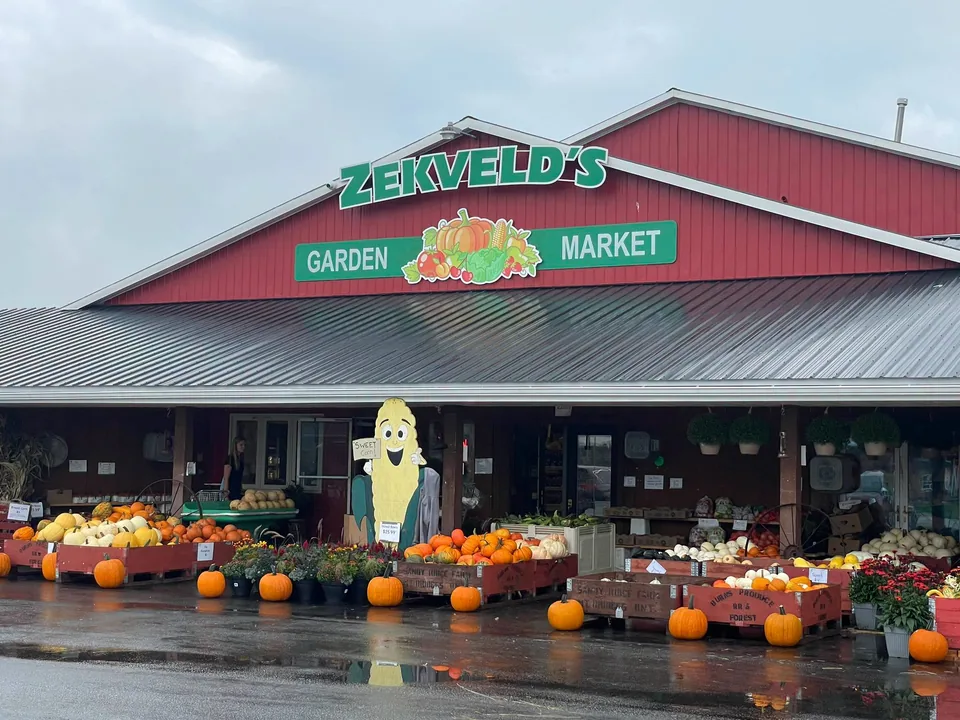
Zekveld's Garden Market
A farm market on London Line outside Wyoming, with a farm store and pick-your-own berries and apples in season.
-
Plympton-Wyoming Museum
The municipality's local history museum, on the lower level of the Camlachie Library. It closes over the winter, and off-season visits are by appointment.
-
Blue Point Park
A park in Camlachie with a playground and basketball, tennis and pickleball courts, a short walk from the beach.
-
Lamrecton Park
Green space on the lake off Egremont Road, good for a picnic.
-
Wyoming and Camlachie libraries
Two public library branches, for books and free children's programs: story times, crafts and more.
-
Plympton-Wyoming Fall Fair
Lambton County's oldest fair, every September at the fairgrounds on Main Street in Wyoming, since 1846. The 2026 fair ran 18 to 20 September.
Where to eat
This week in Plympton-Wyoming
4 PM
Junior STEAM - Geometric ShapesWyoming Library
4 PM
LEGO ClubWyoming Library
5:30 PM
Teen Dungeons and DragonsCamlachie Library
Join a club or team
For kids
-
Wyoming Minor Ball Association
Baseball as the Wranglers and softball as the Lady Wranglers, with instructional Lil' Wranglers from U4.
-
Wyoming & District Soccer Club
Recreational soccer for boys and girls, ages 4 to 14, from May to August.
-
Wyoming Ball Hockey League
Non-competitive ball hockey at McKay Park for ages 4 to 12, Monday evenings in spring.
-
Wyoming Waves Swim Team
The summer swim team at the outdoor Wyoming Pool beside McKay Park.
-
Camlachie Athletic Association
Baseball and softball for girls and boys, ages 4 to 16, as the Camlachie Cougars.
-
Lake Huron Volleyball Club
New for 2026-27: girls' teams, house leagues and skill camps, U10 to U18, for Wyoming and Petrolia.
-
Lambton 4-H Association
Cloverbuds and project clubs in STEM, quilting, baking and woodworking, ages 6 to 21.
Stories from Plympton-Wyoming
Before you go
Are Wyoming and the shore close together? 
No. Wyoming is inland and the beaches are a drive north on the concession roads, so a town-centre morning and a Lake Huron afternoon are two separate plans. Group your stops by area; each place above carries its own directions.
Is the Wyoming pool open all year?
No. It is an outdoor, seasonal pool beside McKay Park, with a splash pad. Use the Town's current public swim schedule, check weather closures, and remember that lesson registration is separate from casual swimming. Pool and splash pad.
Which beach is easiest with small children?
Access varies: stairs, slopes and shoreline conditions can change your route, and Highland Glen involves a bluff and a boat launch. McEwen's pebble beach is the calmer choice; Lamrecton is the picnic. If you need step-free access, ask the Town about the specific park. In Camlachie, Arnold Minielly Park has a playground for a run-around before the drive home.
When is the fair?
Every September at the fairgrounds on Main Street in Wyoming; the 2026 fair ran 18 to 20 September. Fair days bring admission, parade road closures and crowds that an ordinary visit does not, so check the Wyoming fair page for next year's dates before you go.
Historical notes draw on Lambton Family Hub's own research for its Plympton-Wyoming and Wyoming fall fair pages, and on the Plympton-Wyoming Museum and the Town of Plympton-Wyoming. Places and answers were checked against the linked municipal, library, museum and business pages in September 2026; hours, prices and availability change, so the links take you to the current details. Suggest a correction.